From Pain to Possibility: Life Through the Lens of Silas
Jane Eppard
September 30th, 2026
Stories
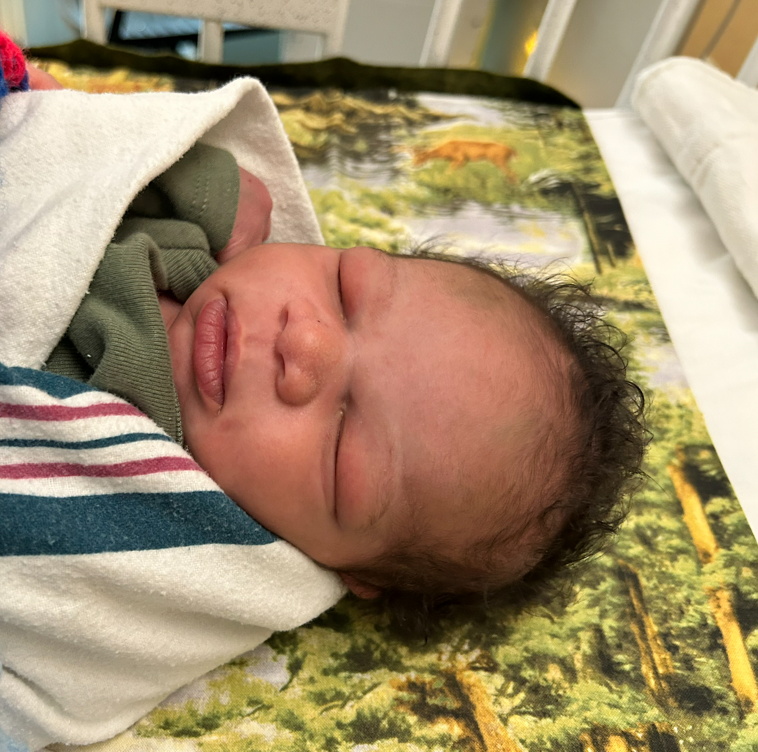
When Andrew and Kate first met Silas, he was just three days old and completely alone.
He lay in a NICU bed in Detroit, his tiny body covered with bruises. He had already endured more than 25 needle pokes, and his eyes were swollen from the tests and treatments that had already taken a toll. He was so fragile.
Beneath his head was the only thing he had in the world—a small blanket with a deer on it.
He was known as “Baby Boy Doe.”
Kate and Andrew received a call about him on the day he was born. Arriving early at 34 ½ weeks, he was malnourished and blind. Because his birth mother had chosen to remain anonymous, they knew very little about his story.
But they knew enough to make the drive to Detroit.
As the miles passed, they prayed together. And somewhere along the way, they realized their hearts had already made the decision.
Yes.
They would say yes to this little boy.
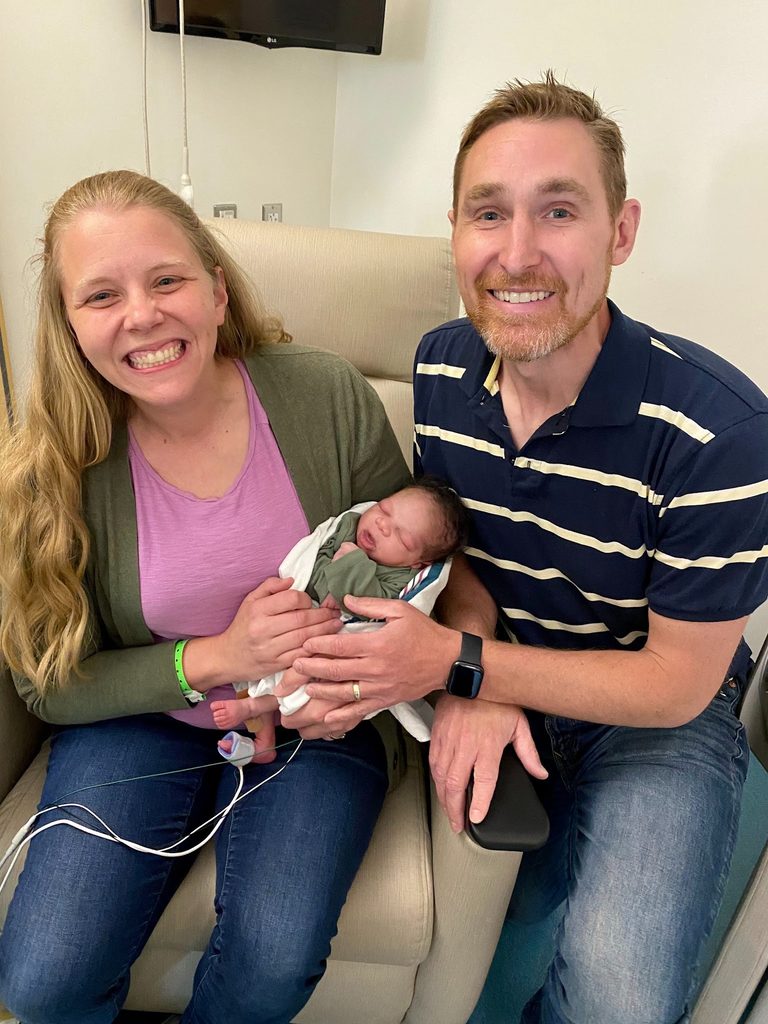
When they stepped into the NICU, “Baby Boy Doe” was no longer alone. For the first time, he had someone to advocate for him, to love him, and to begin the process of bringing him home.
“We knew as parents we were called to care for this little boy mentally, physically, emotionally, and spiritually,” Kate remembers.
In a single moment, their world shifted completely.
In truth, the family had been preparing for him long before they arrived at his bedside. For years, Andrew and Kate served as missionaries for orphan care in South Africa. When the COVID-19 pandemic brought them back home, they returned carrying a great deal of grief.
“We had a great deal of hurt and healing to deal with since we had to leave the children behind,” they shared.
So they began to ask themselves, “What do we do next?”
The answer became clear—adoption.
They felt called to pursue private domestic adoption, preparing their hearts and home for the road ahead. The adoption agency asked whether they would be comfortable adopting a medically complex child.
They prayed about this and knew what they were being called to do.
Then came a phone call about a baby boy in Detroit.
As they traveled to Detroit, they discussed names and chose one that carried deep intention. They would name him Silas, meaning “prayed for,” and Matthew, meaning “gift from God.”
Andrew and Kate said, “Silas is our prayed-for gift from God!”
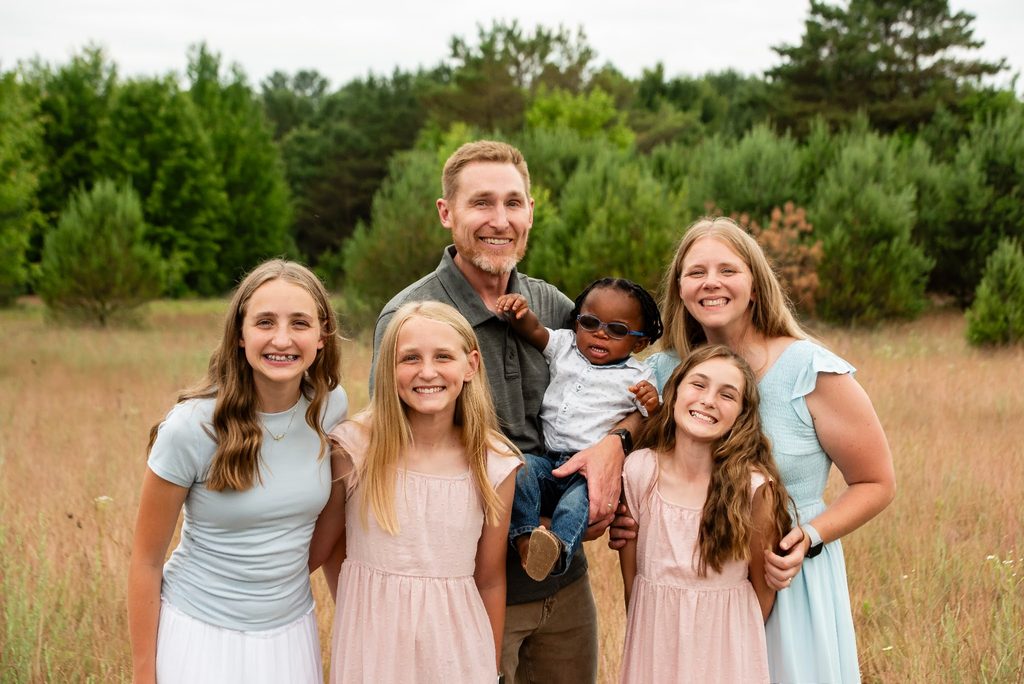
By the time Silas joined the family, his three older sisters, Addison, Mackenzie, and Emma, were eager to surround their baby brother with love, but children under a certain age weren’t allowed into the NICU. While Andrew and Kate sat beside Silas during his first days, his sisters waited to step into his story.
Silas spent less than two weeks in the NICU. But those days marked the beginning of a life surrounded by a family determined to remind him he belonged—that he was loved.
This was the beginning of a life anchored in unwavering devotion.
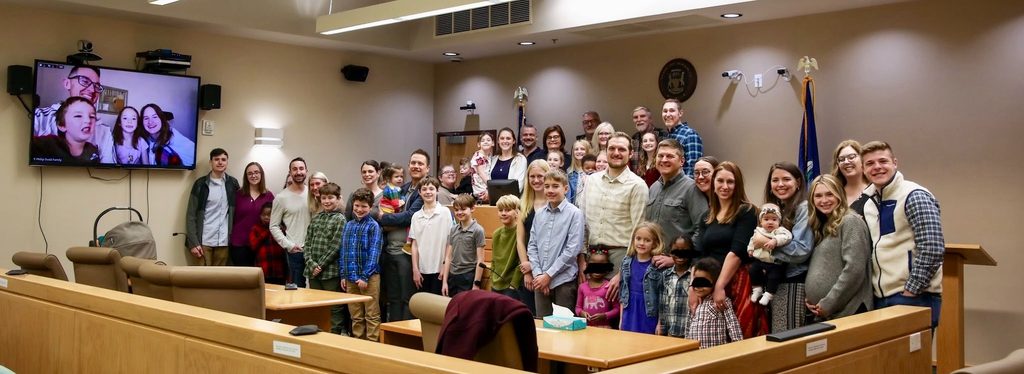
A few months later, just after Christmas, nearly 70 family members and friends packed into a courthouse room to celebrate Silas’s adoption day. The judge also asked Addison, Mackenzie, and Emma individually whether they wanted Silas to be a part of the family.
Their answer was easy.
Silas was always a part of the family. The adoption hearing was simply the legal world catching up to what their hearts knew from the start.
In the months that followed, their family was surrounded by love and a community that gave support in tangible ways too—buying groceries, picking up the girls, and helping the family adjust to life together.
Sometimes, love looks like sitting beside a fragile baby in the NICU. Sometimes it looks like a courthouse filled with people who have come to celebrate. And sometimes, it looks like the quiet, steady support that holds a family upright.
For Silas and his family, love showed up in all of these ways.
Yet love alone couldn’t make Silas’s first year easy.
In fact, much of the first year was filled with questions no one could answer, and pain no one could fully explain.
From the first days in the NICU, bonding with Silas required patience. After enduring countless medical procedures, Silas resisted bonding or being held. Because he was blind, Silas had to learn the cadence of Andrew and Kate’s voices before he could feel secure in their arms.
Still, they knew those early moments mattered.
“Being able to connect with Silas in the NICU was super important,” Kate says. “It didn’t change any medical circumstances, but it started taking care of his needs for human connection.”
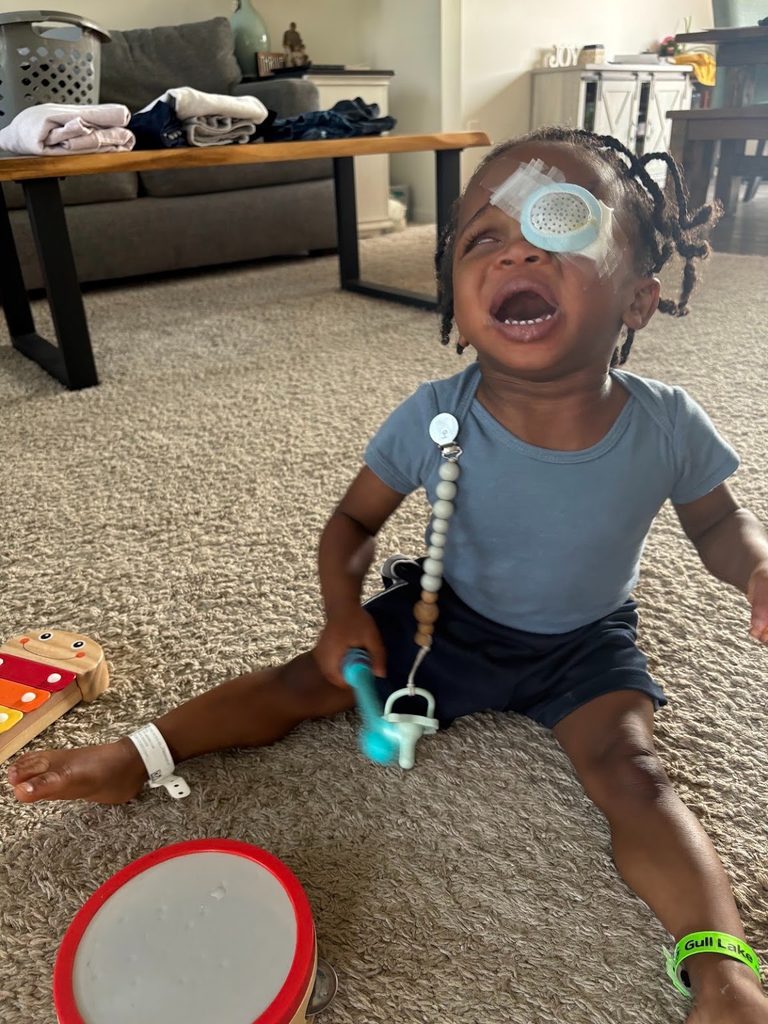
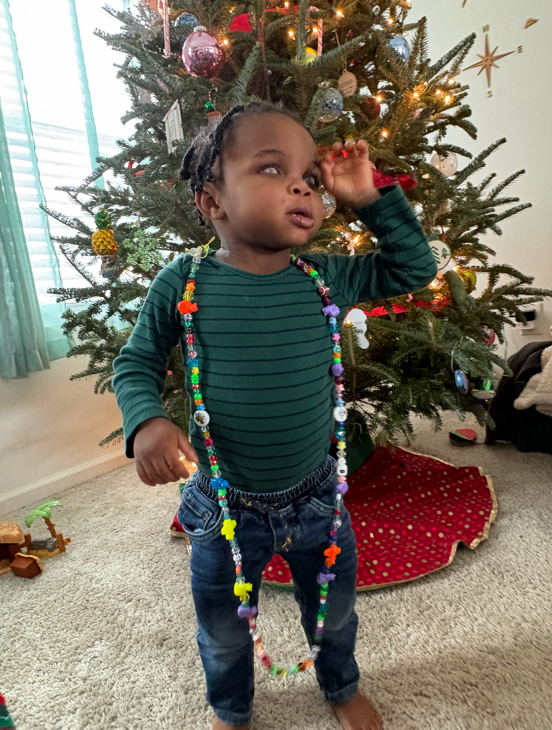
There were so many unknowns. Silas had been diagnosed with Peter’s Anomaly, a rare condition where the anterior structures of the eye fail to develop fully before birth. The family knew he had serious eye problems, but they didn’t know what was causing the pain—or how much pain Silas was in.
Answers would eventually come, but first they had to push through a long stretch of uncertainty.
His cry was high-pitched and piercing—what Kate would describe as a distinct “neuro cry.” It was the kind of cry that clearly told them he was hurting, even when they didn’t know why or had few ways to help.
His whole body seemed to stay tense, “wound up like a rubber band.” He struggled with reflux and spit up after nearly every feeding. He didn’t reach for toys, crawl, sit, or meet the milestones they expected. His body seemed to be operating in survival mode.
The only relief came through continuous movement. So, Kate and Andrew walked with him.
They walked through the house in the middle of the night. They walked when he cried. They walked because it was the only thing that brought him comfort.
“We basically haven’t slept until this year,” they said.
And the challenges kept coming. Silas developed breathing problems and apnea. He needed oxygen almost every night and was often connected to monitors. A couple of times he turned blue, moments that left his parents terrified.
“He was in pain and on guard,” Kate says. “It felt like there was nothing we could do.” Love continued to push them forward. Refusing to settle for a life of unresolved suffering for their son, Kate leaned into research.
She found a specialist in Pittsburgh with experience in Peter’s Anomaly. Upon evaluating Silas, the physician identified what had been missed. Silas was suffering from severe pediatric glaucoma.
What one doctor had described as a possible clearing in the eye was actually an area under dangerous pressure—a critical situation that caused acute pain and risked rupture.
The diagnosis was frightening. But it also brought answers.
This knowledge gave Kate and Andrew a way to begin helping Silas.
Eye drops reduced swelling and pressure. Once his eyes had calmed, Silas underwent his first glaucoma surgery. They learned how pediatric glaucoma causes pain when the pressure rises quickly. Infants often communicate this pain through irritability, fussiness, and feeding difficulties.
With the swelling and pressure calmed, the shift in Silas was immediate and profound.
He still cried like any infant, but the piercing screams of untreated pain disappeared.
For the first time, Kate and Andrew could hear something other than suffering. They could hear Silas beginning to feel better.
The boy who had spent months trapped behind pain was finally stepping into the light.
They began to see glimpses of the little boy beneath it all. The boy who had been there all along, waiting for the chance to grow, connect, and discover the world.
Even after the physical pressure in his eyes subsided, there was another reality to tackle. The imprint of Silas’s early trauma ran deep.
Having spent his earliest days in severe pain, his body had adapted to survive the only way he knew how—by staying on high alert. Silas was living in a near-constant state of “fight or flight.”
Because sound was his primary gateway to his world, ordinary household noises—a sudden clatter in the kitchen or more than two voices talking at once—could trigger sensory overload.
When Silas felt trapped, he reacted through fight mode: inconsolable screaming, sudden meltdowns, and defensive behaviors—completely unable to be soothed.
“When it happens, you basically have to rearrange your day,” Kate explained. “One of us has to be dedicated just to take care of him.”
Family outings, playtime, and daily routines required constant vigilance and sacrifice. Kate and Andrew learned to divide and conquer, continually trying to buffer a world that felt overwhelmingly loud, unpredictable, and frightening to their little boy.
By age 2 ½, Silas was stuck in newborn reflex mode. The constant pain and trauma from infancy had interrupted the neural pathways that tell a child’s brain, “you are safe.”
In the summer of 2025, after another necessary glaucoma surgery reignited his pain and anxiety, Kate and Andrew searched for deeper answers. That’s when they discovered MNRI therapy at Engage, where an occupational therapist named Jim worked alongside them.
MNRI is a specialized, non-invasive therapy using gentle touch and sensory-motor patterns to help integrate primary infant reflexes. As Jim explained to Kate and Andrew, the therapy essentially helps Silas’s brain rebuild the neural-developmental blocks he missed during his traumatic early months.
Because Silas spent his infancy enduring needles, alarms, and pain, his nervous system had never learned that physical touch could mean comfort. Session by session, Jim began to introduce the gentle, nurturing touch patterns a newborn receives in a peaceful situation.
The specialized therapy was retraining Silas’s brain toward safety.
Slowly, the walls began to come down.
Silas learned that Jim’s office was a haven. Today, Silas will walk right toward where Jim keeps his favorite “buzzy toy,” eager to play. And because Silas experiences so much of his world through sound, music became their bridge. Silas—a boy of many genres, with a deep love for Mozart, rich male vocals, and driving drumbeats—now requests his favorite songs during therapy.
At home, therapy became a shared, family rhythm. Kate and Andrew practice gentle reflex movements, like softly turning Silas’s hips. His sisters jump in to help regulate and encourage him, turning therapy into everyday moments of family connection.
Step by step, the little boy who lived “wound up like a rubber band” began to unfurl.
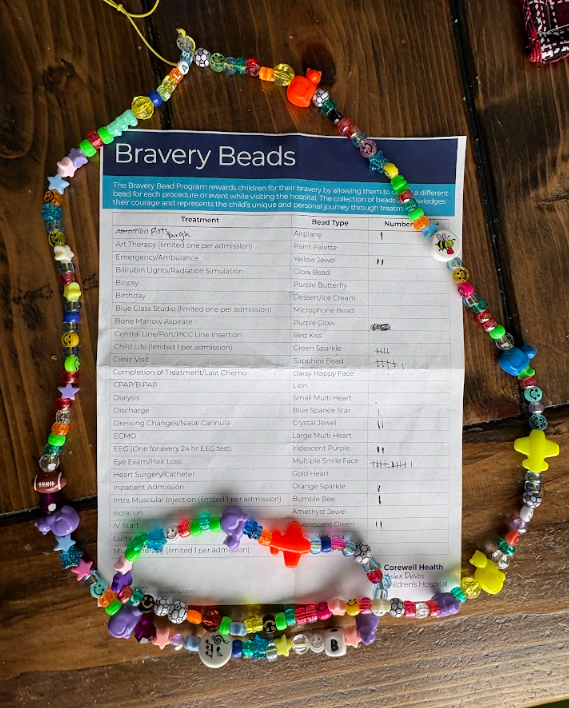
Silas has collected more than 200 “bravery beads” from Helen DeVos Children’s Hospital, marking every procedure and visit. Yet the most profound milestone isn’t recorded on a chart—it’s heard in his own voice. Now, whenever he faces a medical poke, Silas pauses, takes a deep breath, and reminds himself:
“It’s okay. I’m going to be safe.”
For a child whose nervous system once treated everything as a threat, those words mark a monumental victory.
And the everyday wins keep coming:
Mobility and strength: Though fear once kept his feet rooted to the floor, Silas learned to walk just after turning two. Now, he hops and jumps up and down stairs with fearless energy.
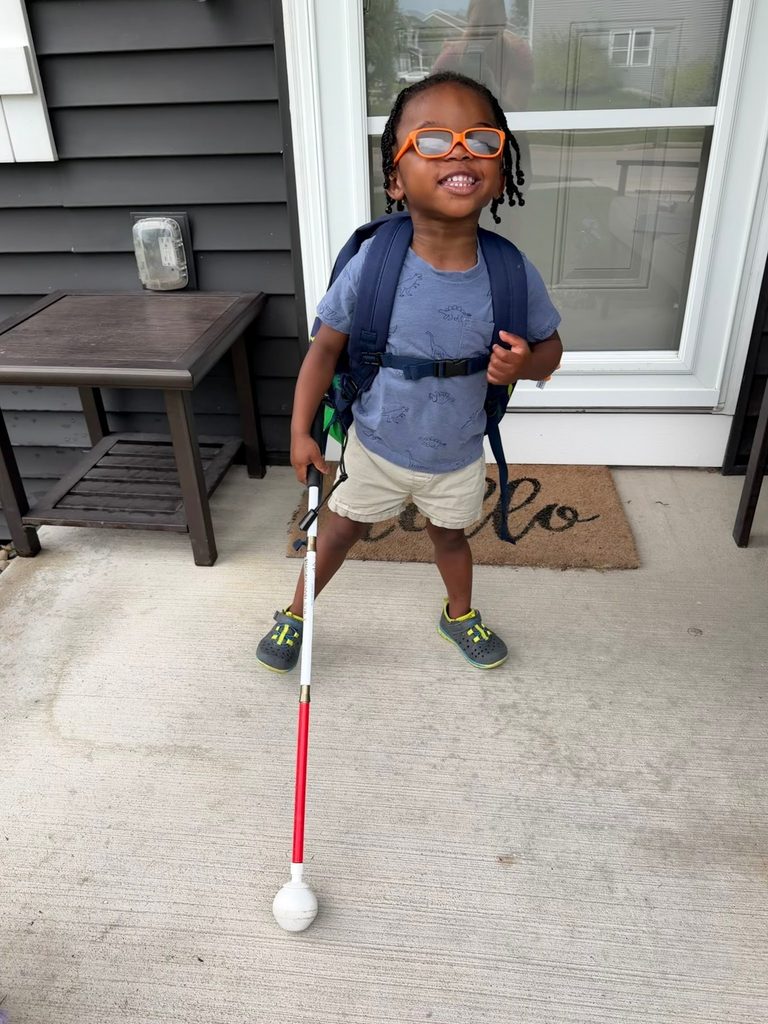
Independence: Learning to use his white cane at school, Silas navigates new spaces with pride and autonomy. Serving as both a mobility tool and an empowering signal of low vision to those around him, the cane accompanies him everywhere. On a recent trip to the local pickleball courts with big sister, Addi, Silas strode forward with a wide, beaming smile, greeting strangers with a “How ya’ doing?”
Everyday pleasures: Once unable to tolerate solid foods, Silas now eats like a hungry teenager—recently devouring several cups of blueberries on a farm outing and happily picking and eating tomatoes from the family garden.
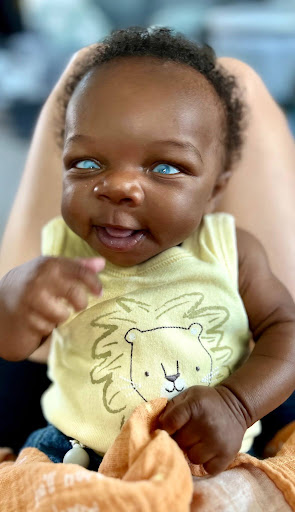
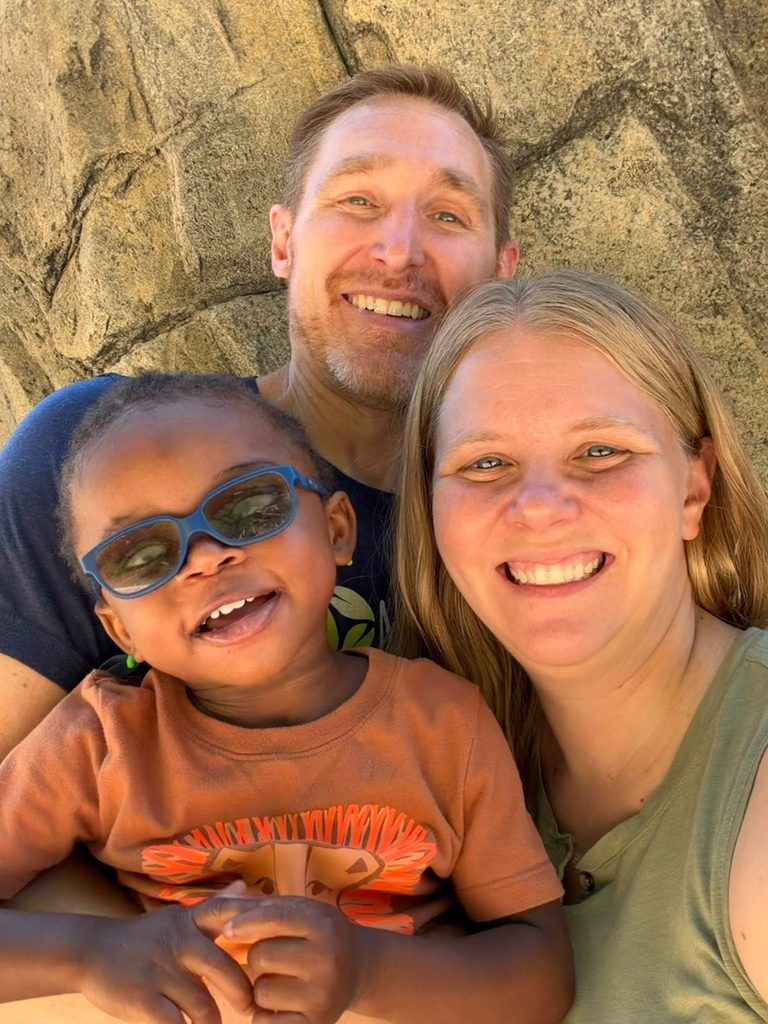
Behind every milestone is Silas’s signature joy. His huge, toothy grin and belly-filled giggles light up every room he enters. He’ll often say, “I am fearfully and wonderfully made.”
Yet specialized therapies like MNRI come at a significant cost. One their insurance doesn’t cover.
As a pediatric nurse, Kate understands how critical uninterrupted early intervention is to prevent trauma from hardening into lifelong limits. But for their family, maintaining the weekly, specialized care long-term posed an overwhelming financial strain.
“We simply couldn’t afford to continue without help,” said Kate. A therapyscholarship from Family Hope Foundation stepped into the gap, ensuring Silas didn’t lose the momentum of therapy while giving his family the room to breathe and catch up financially.
The therapy scholarship provided the runway Silas needed to exit survival mode and begin building a bright future. It also helped Kate and Andrew look ahead with confidence.
Today, they look forward to the day Silas walks into a kindergarten classroom, ready to learn and play alongside his peers. They know accommodations will be part of his schooling, but they refuse to let his medical complexities define the boundaries of his life.
“People often see the obstacles instead of the opportunities,” Kate says. “Silas is smart and capable. Not having sight doesn’t limit how full a life he can live. It’s simply one part of who he is, and getting to know him is a blessing.”
For Kate and Andrew, Hope is an anchor.
“Our hope rests in what Christ has already done,” says Andrew. “We can’t do this on our own, but because our hope is anchored, we know there are brighter days ahead.”
Every child deserves a chance to feel safe in their own body. To step into the world without fear. To discover the fullness of who they were made to be. For Silas, safety was the bridge to freedom. From that safe place, the world continues to open up, one brave step at a time.
After our time with Kate and Andrew, we were reminded of a powerful quote from Mark Cronin of John’s Crazy Socks: “Never be blinded by a person’s limitations; be awed by their possibilities.”
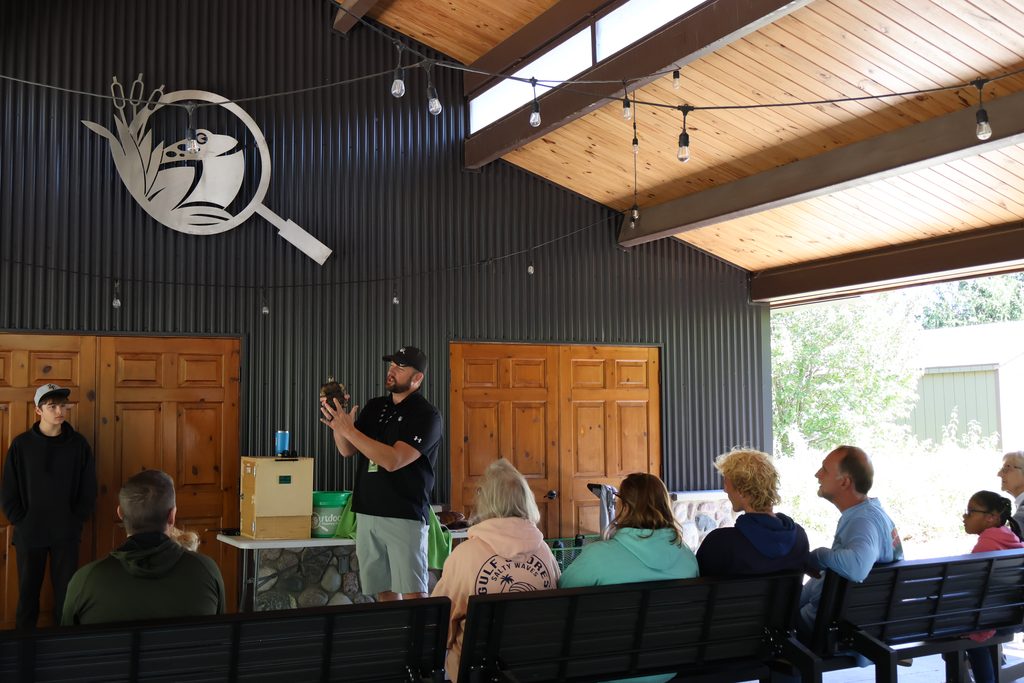
If it were up to us, summer break would last all the way through September. It really is one of the most beautiful months here in our mitten state. Lucky for us, we had the opportunity to spend a beautiful Saturday in September at the Outdoor Discovery Center with some special families connected to Family […]
There are some moments that feel big, and this is one of them. By “big,” I mean something that matters deeply to me. And because of that, I’ve found it a little hard to know exactly what to say. I just knew I wanted to say something. I keep going back to those early days—before […]
After submitting your order form, someone will be in contact with you shortly to confirm your order and provide payment instructions. Please be attentive to your email.
Be a Family Sponsor.
Be a Hope Sponsor.
Be an Ability Sponsor.
Sign Up For Our Mailing List!
Want to Join the Community?
Sign up for our Newsletter. Every month, Family Hope Foundation’s team connects by sharing family stories, providing educational information, demonstrating ways to get involved, and more! Join us and see how the Gift of Ability helps bring hope to your community.